Beginners: Reading Your Yard Before You Buy Anything
Start with the yard you already have
This page is for a new homeowner in Massachusetts who wants to understand a yard before paying for any work on it. It covers what to observe first, which is sun, water, soil and the lawn itself, and where each observation points next.
Walk the yard before you buy anything. It is the habit I would give any new owner first, and it costs nothing but an hour and a notebook. Go out at different times of day, once after a heavy rain, and again a few days later.
Do not start by choosing materials or ordering work. Patios, walls, decks and lawns all sit on the same few things: how much sun reaches them, where water goes and how the soil holds it. Every contractor and every building office will ask about those things too, so knowing them first makes the later conversations shorter.
Three numbers worth learning before you dig
100 feet
The Buffer Zone under the state’s wetland rules (310 CMR 10.04) reaches 100 feet out from a wetland. A yard within that distance is inside it, so ask your town’s conservation commission before you dig.
3 years
The age limit on the soil test that Massachusetts lawn rules accept before phosphorus fertilizer goes on an established lawn (330 CMR 31.05). A new lawn is the other case, and only in its first growing season.
2 to 3 inches
The cutting height UMass Amherst Extension gives as best for most lawns. Check the height your grass is cut at now, and remove no more than one third of the shoot growth in any one mowing.
What to observe, and what each observation tells you
Sun first. Note where the yard gets direct sun, where the house, a fence or a tree shades it, and when those shadows move. A spot that is sunny all morning and shaded all afternoon behaves differently from one that is shaded all day, and grass, shrubs and paving each respond to that difference.
Water next. After a heavy rain, look for standing water and note how long it stays. A wet low corner is the place to understand drainage before any stone or paver goes down. If the yard is within 100 feet of a wetland, that is a question for the conservation commission, not a guess.
Then the soil. Push a garden fork or a screwdriver into the ground and see how far it goes, and notice whether the soil is sandy, heavy clay or full of stones. A soil test is how you learn what the soil actually needs.
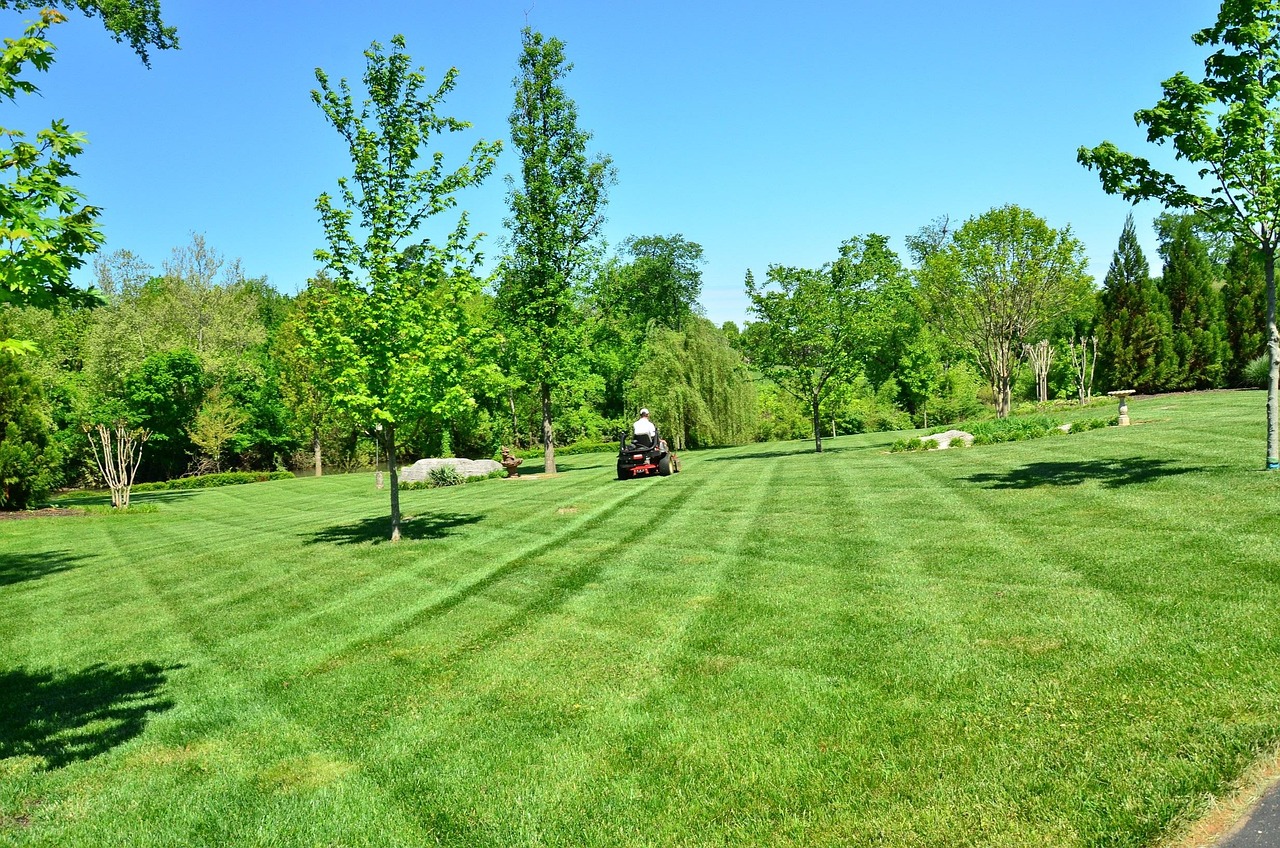
Last, the lawn. Note which grass covers it, whether it is thin or dense, and how high it is cut. Those three notes give you a baseline before anyone recommends a product.
Where to go next, depending on what you found
If water stands in a low spot, or the yard sits near a wetland, read the planning a project page next. It takes you from the problem you have, through where the water goes and what sits under the surface, to the choices about material and finish. It is the page the others point back to.
If the lawn is thin or the soil looks poor, the seasonal checklist says what to do and when, month by month, and the cost guide explains why quotes for the same job can differ. If you are not sure the work is yours to do, the safety page covers when to stop and call someone.