Planning a Project in Your Yard, in the Right Order
Start with the problem, not the paving stone
A yard job bigger than a weekend asks for a decision order, and most of the trouble I would warn about comes from getting that order wrong. Start with the problem you actually have: a patio that pools after rain, a wall that has started to lean, a lawn that will not take seed. Name it in plain words before you look at a single material.
The stone is the last decision, not the first.
This page walks through the order I would use: where the water goes, what sits under the surface, and only then the material and the finish. Other pages on this site take one piece each. This is where the order itself is set out.
Where doing it yourself stops making sense
Plenty of yard work is within reach of a careful owner: edging, mowing, a few pavers laid on a sound base. The point where it stops making sense is when the job changes what the ground does. Anything that moves water, digs deeper than a shovel reaches, or carries a structure is a job to plan with a professional.
Digging has a legal step before it has a practical one. Anyone excavating in Massachusetts must notify Dig Safe at least 72 hours ahead, not counting weekends or legal holidays, and no more than 30 days before the dig, under General Laws, Chapter 82, Section 40A.
A deck is another point where the work stops being a weekend task. Needham’s deck permit application has to show footing size and depth and railing heights and baluster spacing, along with five original copies of the plot plan, and construction must begin within 6 months of issue, according to the Town of Needham building department. Other towns have their own filing rules.

The mistake I would warn about most
Picking the surface first is the mistake I would warn about most. It feels like progress, because a sample board or a stone chip is something you can hold. My view is that the surface is the part of the job you can see most easily, and that is exactly why it gets chosen before the things that decide whether it lasts.
Ask every bidder for the base depth and the drainage plan before you compare finishes. If a quote does not say what is under the surface, the quotes are not yet comparable.
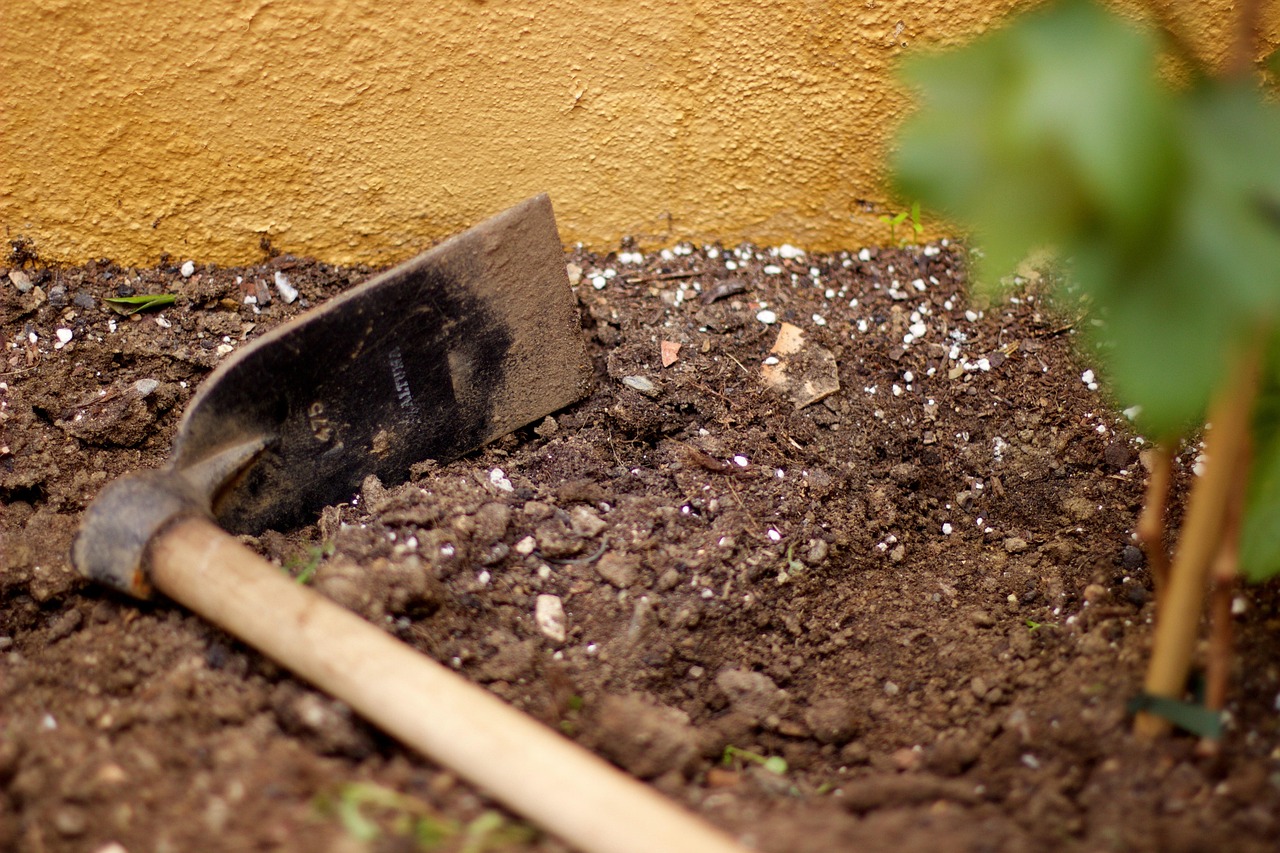
What a finished job looks like after the first hard rain
A finished job drains. After the next heavy rain the water should be going where you chose, not standing in the low corner of the patio or running toward the house. The surface should sit level and stay that way, with the joints filled and the edges held.
It also has paperwork that matches the work. The call-ahead for digging, the permit and the drawing a town asks for are part of the result, because they show that someone planned the job. Keep copies in one folder, and treat any date on a permit as a limit you have to meet.
Additional resources
- Massachusetts Nursery & Landscape Association: Hire an MCH explains the Massachusetts Certified Horticulturist credential and how to find one before you plant anything
- Concrete Masonry & Hardscapes Association: Pavers vs. Concrete is a homeowner-level comparison of the two surfaces if you are weighing a patio or walkway